
Skip to content

Type II reports, Trust Services Criteria, CUECs

SOC 2 Colocation Providers: Type II Reports, What the Criteria Actually Cover and How to Verify a Facility Is Genuinely Compliant

For colocation, SOC 2 means a Type II report: an independent auditor’s test of the facility’s controls over a period, usually 6–12 months, not a one-day snapshot. Most enterprise reviews want Security, and Availability if your contracts promise uptime, with a clean opinion and a period that ended recently. SOC 2 doesn’t change the rack price: a 5 kW full rack is $1,500–1,800 a month across our 26 markets (November 2026).

Updated November 2026 · Bob Spiegel, Founder, QuoteColo

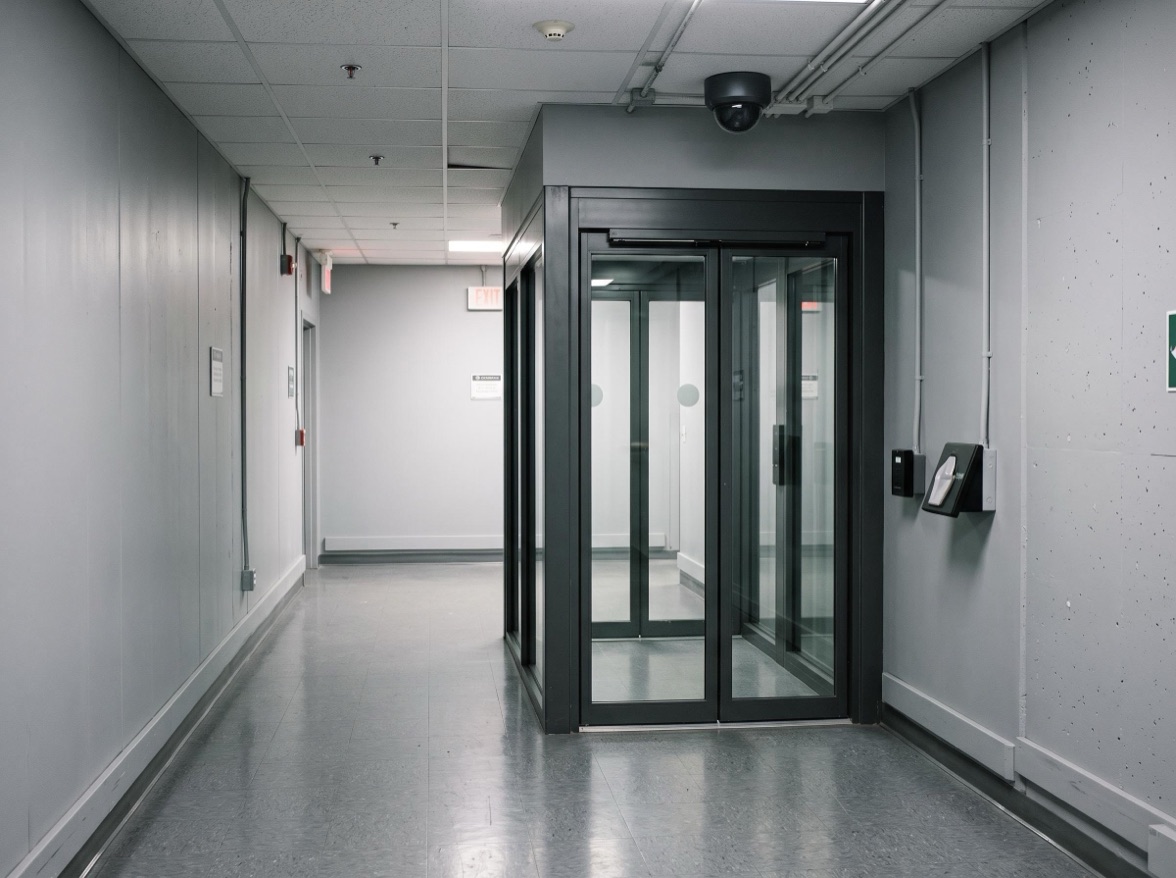
A data center security entrance with a glass mantrap, a badge reader and a camera dome above it
Bob Spiegel

“Tell me what you’re deploying; I’ll come back with real options from a network built over 20 years.”

— Bob Spiegel, Founder, QuoteColo

From our desk, November 2026

Type II
controls tested over a period, usually 6–12 months; Type I is a design check on one date
5
Trust Services Criteria: Security, Availability, Processing Integrity, Confidentiality, Privacy
12 months
how recently most reviewers expect the report period to have ended: a buyer convention, not a rule
$1,500–1,800
full 48U rack, 5 kW, across 26 markets: SOC 2 doesn’t add a price tier

Definitions from the AICPA’s SOC 2 guidance; prices from Bob’s November 2026 City Price Sheet, per month.

Why enterprise customers require SOC 2 from your colocation facility

The pattern is familiar: you sign an enterprise customer, their security questionnaire asks for SOC 2 Type II reports from every provider in your stack, and your facility’s documents are out of date. The deal waits in vendor review.

When it comes upWhat gets asked
A customer’s security questionnaireA current SOC 2 Type II report from every provider hosting your systems, physical facilities included.
Your own SOC 2 auditYour auditor treats the facility as a subservice organization and asks for its report covering your audit period.
Due diligence for a raise or an acquisitionCompliance documents across your vendors, the data center among them.

The five SOC 2 Trust Service Criteria: what each covers at the colocation layer

A SOC 2 report can cover up to five criteria. Almost every colocation report covers Security; fewer cover Availability; very few need the other three.

CriterionWhat it coversAt the colocation layerWhen you need it
Security (common criteria)Protection against unauthorized accessBadge and biometric access, mantraps, cameras, access logs and reviews, visitor management (CC6.4); secure disposal and removal of media (CC6.5, CC6.7)Always: every SOC 2 report includes it
AvailabilitySystems available as committedPower and cooling redundancy, generator and UPS testing, maintenance without downtime, recovery (A1.2)When your contracts promise uptime that depends on the facility
ConfidentialityInformation designated confidentialHow staff handle your information during remote hands, documentation and mediaWhen facility staff may touch confidential systems or documents
Processing IntegrityComplete, accurate, timely processingRarely relevant to space and power; sometimes to managed servicesRarely for colocation
PrivacyPersonal information the provider collectsVisitor and contact data the facility itself handlesRarely for colocation

Criteria numbers from the AICPA’s 2017 Trust Services Criteria, which current reports use. In October 2026 the AICPA proposed new criteria for audits beginning on or after 31 December 2027, with new numbering; reports you receive now still use the 2017 set.

Want these numbers for your own deployment? and we’ll reply with the providers that fit, with their prices.

SOC 2 Type I vs Type II: what the difference actually means

The most often blurred distinction in colocation compliance. A Type I from a good facility is still not the evidence most enterprise reviews accept.

SOC 2 Type ISOC 2 Type II
What it assessesWhether controls were suitably designed, on one dateDesign and operating effectiveness over a period, usually 6–12 months
TestingNo testing of how controls operatedSamples of logs, access records and maintenance across the period
For enterprise procurementUsually treated as a first stepThe standard ask in security reviews
For your own SOC 2 auditLimited evidence for the facility’s controlsEvidence your auditor can rely on for the facility layer
How to spot itThe report says Type 1 and gives one dateThe report says Type 2 and gives a start and end date
Red flagA Type I presented as if it were a Type IIA period that ended long ago, or a modified (qualified) opinion on Security or Availability

The AICPA sets no minimum Type II period in its public guidance; 6–12 months is common practice, and many firms run 12.

How to read a colocation facility’s SOC 2 Type II report

Most buyers either accept the report unread or pass it to a legal team that isn’t set up to evaluate it. Four parts hold everything you need.

  1. STEP 1

    The auditor’s opinion

    Unmodified (“unqualified”) means the controls were fairly described and worked; modified (“qualified”) means a material problem. Exceptions in the tests don’t always change the opinion, so read them. Check the period too.

  2. STEP 2

    The system description

    What and where the report covers. Multi-site operators may cover one flagship site, so confirm your data center and the services you’re buying are named.

  3. STEP 3

    Controls and test results

    The controls for each criterion, how the auditor tested them, and any exceptions. For colocation, read physical access (CC6.4) and, with Availability, environmental protections (A1.2).

  4. STEP 4

    Complementary controls

    CUECs are controls the report assumes you run, such as keeping the access list current. CSOCs are controls it assumes the provider’s own vendors run, when those vendors are carved out of the report.

SOC 2 shared responsibility: what the facility covers vs what you cover

The facility’s report covers the physical layer. Everything from your servers up, and the obligations the report assigns to you, are yours.

AreaThe facilityYou (typical CUECs)
Physical access (CC6.4)Badge system, entry and exit logs, multi-factor entry at defined perimeters, access reviewsKeep your access list current; tell the facility when to remove someone; review logs
Visitors (CC6.4)ID checks, escorts in data halls, visitor logs kept per its policyPre-register visitors; arrange escorts to your equipment
Cameras (CC6.4)Coverage of perimeter and data hall entries, footage kept for the stated periodCheck the retention period meets your needs; get the footage-request process in writing
Environmental and availability (A1.2)Generator, UPS and cooling testing and maintenance; notice of planned maintenanceDesign your own redundancy; test failover; read maintenance notices
Media (CC6.5, CC6.7)Process for hardware leaving the facility; certificates when it destroys mediaYour own media handling and destruction
Incidents (CC7.4, CC2.3)Respond to physical security incidents and tell customers within the contract’s timeframePut the notification deadline in the contract; know who receives it

What enterprise SaaS procurement actually requires from your colocation facility

What security teams usually ask for, and where colocation facilities fall short.

The standard ask

A SOC 2 Type II report covering Security, with an unmodified opinion and a recent period. Availability too when your contracts promise uptime. Confidentiality, Processing Integrity and Privacy are rarely asked of a colocation facility.

Stale reports

A period that ended 18 months ago is common at providers that did one audit cycle and stopped. A bridge letter from the provider’s management can cover a gap of a few months; longer gaps get flagged.

Type I or the wrong scope

A Type I sent without comment, or a report covering a different site or only headquarters. Ask whether a Type II exists for your site and when the next period starts.

Your own audit period

If your period runs January to December and the facility’s April to March, there’s a gap. Ask for the audit schedule and a bridge letter, and check you meet the CUECs.

SOC 2 colocation for AI, fintech, and regulated SaaS

The same report, different combinations of requirements.

WorkloadWhat’s usually needed alongside SOC 2Where it gets hard
Enterprise AIA Type II report plus the power and cooling for GPU racksFacilities with both: see high-density colocation
Fintech and paymentsSOC 2 Type II and a PCI DSS Attestation of ComplianceNot every facility has both; see PCI DSS colocation
Healthcare SaaSSOC 2 Type II and a signed business associate agreementSee HIPAA colocation
Small regulated deployments, 1–6 racksThe same reports as a large enterpriseLarge operators prefer bigger footprints; mid-tier providers with current reports fit better

Organizations we match to SOC 2 colocation providers

Who asks us for SOC 2 colocation, and what their options include.

WhoSOC 2 situationWhat the options include
SaaS with enterprise customersCustomers require Type II reports from every provider in the stackCurrent Type II reports covering Security and Availability; CUECs listed
Fintech in its own SOC 2 auditThe auditor extends scope to the facility as a subservice organizationA report period that can cover your audit window, PCI DSS where needed
Healthcare SaaSCustomers want SOC 2 Type II and a BAAFacilities that provide both
AI company serving enterprisesCompliance plus GPU densityType II facilities that also support 15–40 kW racks
MSPsYour clients’ assurance depends on the facilityMulti-tenant cage options with per-tenant access control
Regulated SaaS, 1–6 racksEnterprise-grade requirements, small footprintMid-tier providers with current reports and smaller minimums

What SOC 2 colocation costs in 2026

SOC 2 doesn’t create a separate price tier: facilities that keep current audits charge market rates. What adds cost is what you may need around it.

Cost lineWhat to expectSOC 2 note
Rack$750–1,500 for a half rack and $1,500–1,800 for a 5 kW full rack (our November 2026 sheet)Market, power and term set the price, not the audit.
Private cage, if requiredQuoted per cage size; see private cage pricingSOC 2 doesn’t require a cage; some auditors and customers want one.
The report itselfUsually free, under NDASOC 2 is a restricted-use report; the NDA is how providers control it. SOC 3 is the public summary.
Audit supportIncluded hours or professional-services ratesAgree it before signing if you’re audited every year.
A+B powerIncluded in the cabinet price or billed per circuitExpected when Availability matters; confirm it at the cabinet. See A+B power.
TermShorter terms usually cost more per monthSOC 2 doesn’t change term structure.

For context on what the facility carries: published 2026 estimates put a SOC 2 Type II audit at about $10,000 to $100,000 or more per cycle, plus preparation, depending on scope.

Why “SOC 2 compliant” on a website doesn’t pass a security review

Your customer’s security team will ask for the report itself, and read the dates.

THE DIY WAY

You take “SOC 2 compliant” at face value

When you ask for the report you may get a period that ended two years ago, a Type I, or a web page with no audit behind it.

THE DIY WAY

You forward the report unread

The reviewer finds the period ended 16 months ago, or the report covers a different site. You start over two weeks into the review.

THE DIY WAY

The provider with the right price can’t show a report

Mid-tier providers are where small deployments fit, and where report status varies most. Sorting them takes weeks of requests.

How it works

You send the specs. We find the options. You decide.

STEP 1

Send your requirements.

Tell us what you're deploying, where you want it, and when you need it. Send the specs you have; we'll help with the rest.

HardwareRacks & kWLocationStart date

Estimates are fine. No perfect RFP needed.

STEP 3

Take the next step. On your terms.

Like the options? Contact the providers directly. Need more detail? Call or email us. We're here to help, not push you.

  • Go directly to the providers you like
  • Ask us questions whenever you need

Get 2–4 qualified options in 48 hours

Free for buyers

Your price is the same as going direct.

Comparable prices by email

Review the options before deciding on a call.

Trusted service since 2004

5,000+ clients helped.

By clicking here, I state that I have read and understood the Terms and Conditions

Case studies

See how we helped teams secure colocation with the right power, pricing, and providers.

Leonard Roszkowski

CEO Elemental Energy Solutions

Problem: Needed to source ASIC servers domestically. Skeptical about working with a new organization.

What we did: Connected them to buyers, sellers, and infrastructure partners across deployments. Removed procurement and logistics overhead entirely.

Result: Rapid organizational growth in a short period. Now uses QuoteColo as an ongoing procurement interface across hardware and infrastructure.

Noel Frutasio

CEO FSN Services and Communications

Problem: Regularly needed colocation space across multiple US states and time zones. Difficult to navigate the market without deep industry knowledge.

What we did: Defined requirements in one meeting, then delivered proposals with multiple carrier and data center options across every target market.

Result: Placed in 4 cities. Contracts signed quickly. Multi-state colocation needs resolved through a single point of contact.

Tim Mandell

DC Mining / MDI Access

Problem: Needed reliable options for crypto mining containers and equipment, along with industry partners who could support real deployment requirements.

What we did: Connected the project with relevant mining infrastructure and equipment resources through the QuoteColo network, simplifying the search and evaluation process.

Result: Gained a clearer path to suitable mining infrastructure, equipment and industry contacts without having to source every option independently.

5,000+

Clients helped since 2004

No Cost

to Buyers

500+

Worldwide providers

Quotes

in 48 h

SOC 2 colocation: frequently asked questions

What does a colocation facility's SOC 2 Type II report actually cover?

Usually physical security (badge access, cameras, visitor management, access reviews, CC6.4), the handling of hardware and media leaving the building, and incident response. If Availability is in scope, it also covers power and cooling redundancy, testing and recovery (A1.2). The system description says which sites and services are included.

Why do my enterprise customers require SOC 2 Type II from my colocation facility?

Because they treat your facility as a subservice organization: a third party whose controls affect your own security commitments. A current Type II report gives their reviewers, and your auditor, independent evidence about the physical layer housing your systems, instead of your word for it.

What is the difference between SOC 2 Type I and Type II?

Type I checks that controls were suitably designed on one date. Type II tests whether they worked over a period, usually 6–12 months. Enterprise reviewers and auditors ask for Type II; a Type I is a reasonable first step for a provider new to SOC 2, but not a substitute.

How old can a SOC 2 Type II report be before it's considered stale?

No standard sets an expiry, but most reviewers expect the report period to have ended within about 12 months. For a short gap, providers issue a bridge letter, signed by their management, covering the months since the period ended; gaps of up to about three months are commonly accepted. Ask when the next period ends.

What are Complementary User Entity Controls and why do they matter?

CUECs are controls the facility’s report assumes you run, such as keeping your access list current and telling the facility promptly when someone leaves. Your own auditor checks that you meet them. Missing them breaks the chain of evidence, so read them before you sign.

Do I need the facility's SOC 2 report to cover Availability, or is Security enough?

Security alone is enough if your contracts don’t rely on the facility’s uptime controls. If you promise uptime that depends on the facility’s power and cooling, or your auditor relies on the facility for availability, you need Availability in scope too. Ask which criteria are covered before you accept the report.

How do I verify that a facility's SOC 2 report covers the specific site I'll be using?

Read the system description: it names the facilities and services in scope. Large operators may list reports site by site; some cover one flagship location. If your site isn’t named, ask whether a separate report exists or get the scope confirmed in writing before you sign.

Can I use a facility's SOC 2 Type II report in my own SOC 2 audit?

Yes, with two conditions. Its period should line up with yours, or come with a bridge letter for the gap, and you must meet the CUECs it lists. The report gives your auditor evidence about the facility’s controls; it doesn’t move responsibility for yours.

Does QuoteColo find SOC 2 colocation for small deployments?

Yes. Mid-tier and regional operators with current Type II reports regularly take 1–6 racks, including quarter and half cages, while large operators prefer bigger footprints. You get matched options by email within 48 hours once the requirements are clear, with the report type, period and criteria for each.

Does QuoteColo charge for this service?

No. You don’t pay us. Providers share their existing standard sales commission with QuoteColo, so there’s no added fee or markup on your provider quote.